

JOHN BAEDER
John Baeder is widely acknowledged as one of the foremost painters of the Photorealist school. His seminal work, represented in collections worldwide, focuses on diners and American roadside attractions, and reminds us of their place in our collective consciousness.
His early black and white photographs, taken between 1962 and 1969, before he burst onto the New York art scene with a solo exhibit of paintings at legendary Ivan Karp’s OK Harris Gallery, are less known.
Remaining for many years in Baeder’s personal archives, Susan Edwards, former Executive Director of the Frist Art Museum, wrote of these images:
“For decades he regarded his own photographs as source material. Inevitably, Baeder's photographs are being reconsidered and recognized for their stand alone power in the artist's oeuvre.”
Baeder’s work is co-represented by MB Abram, Los Angeles, and ACA Galleries, New York.
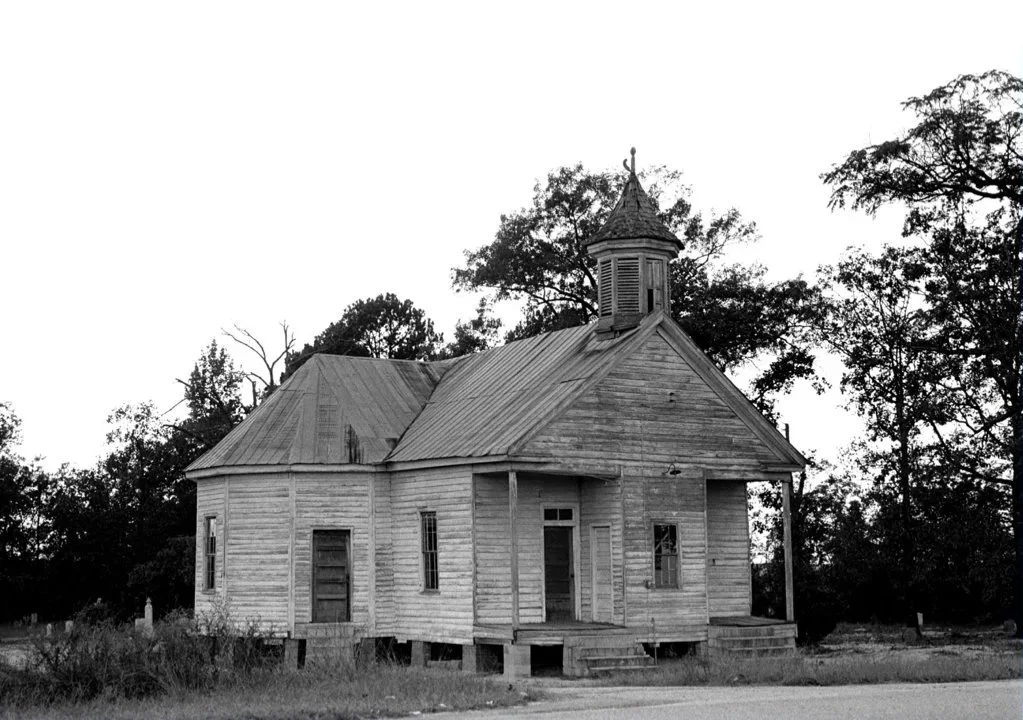
South Carolina 1963
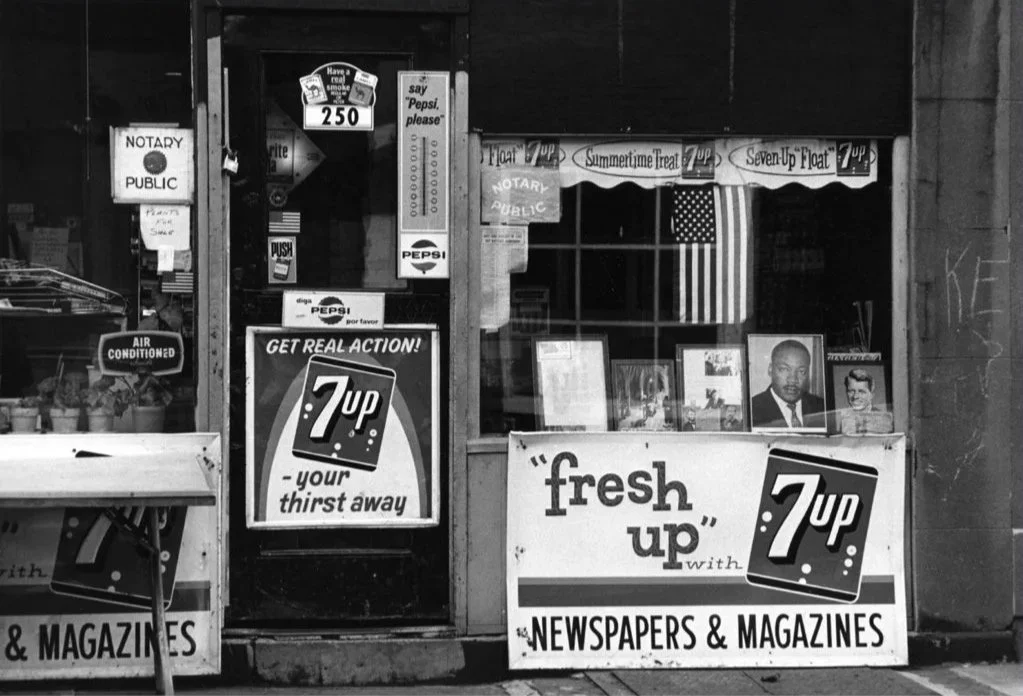
Lower East Side, NY, 1968
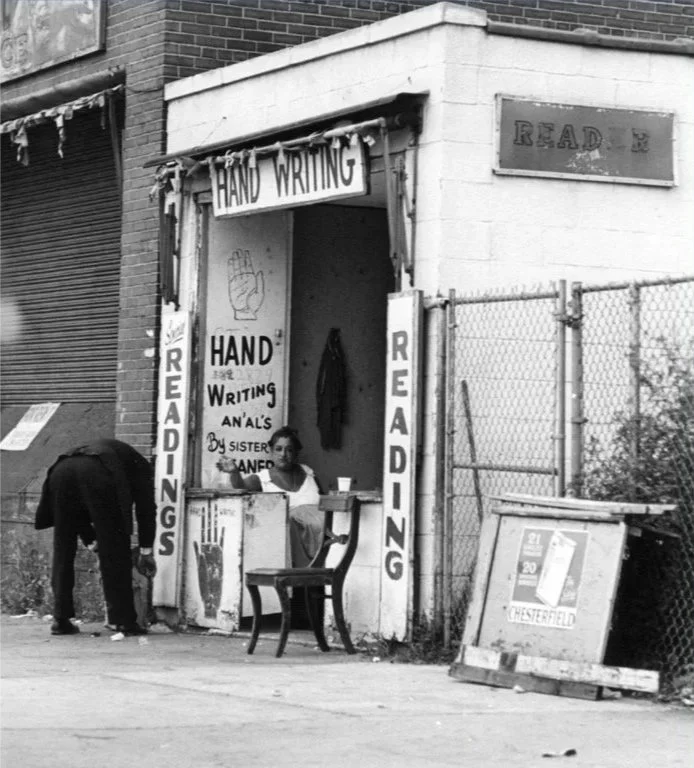
Coney Island, NY, 1965
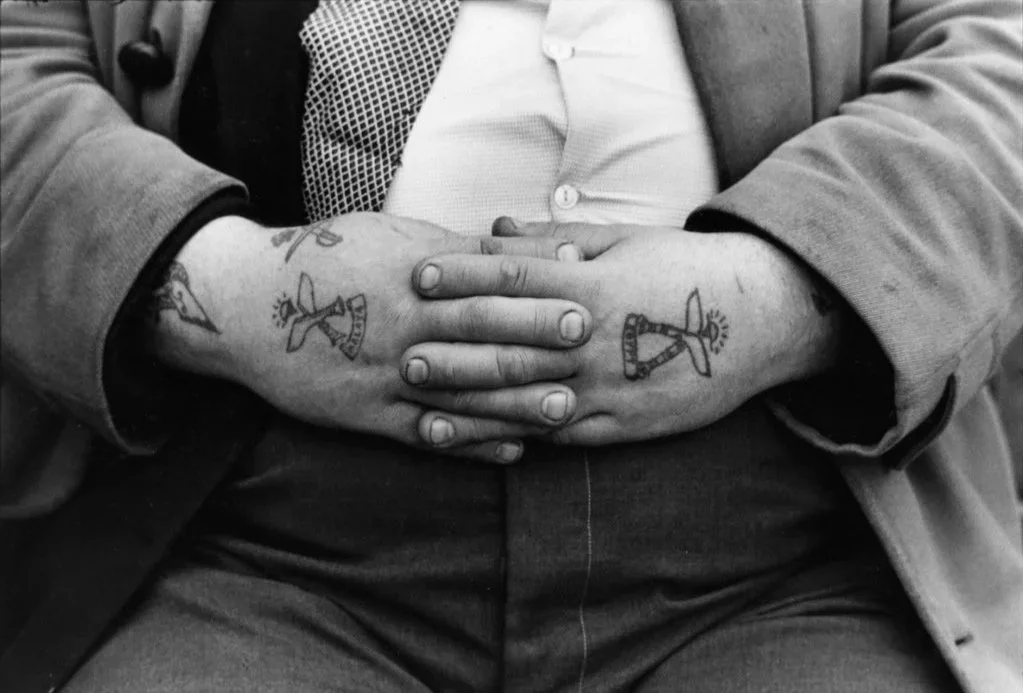
London, 1968
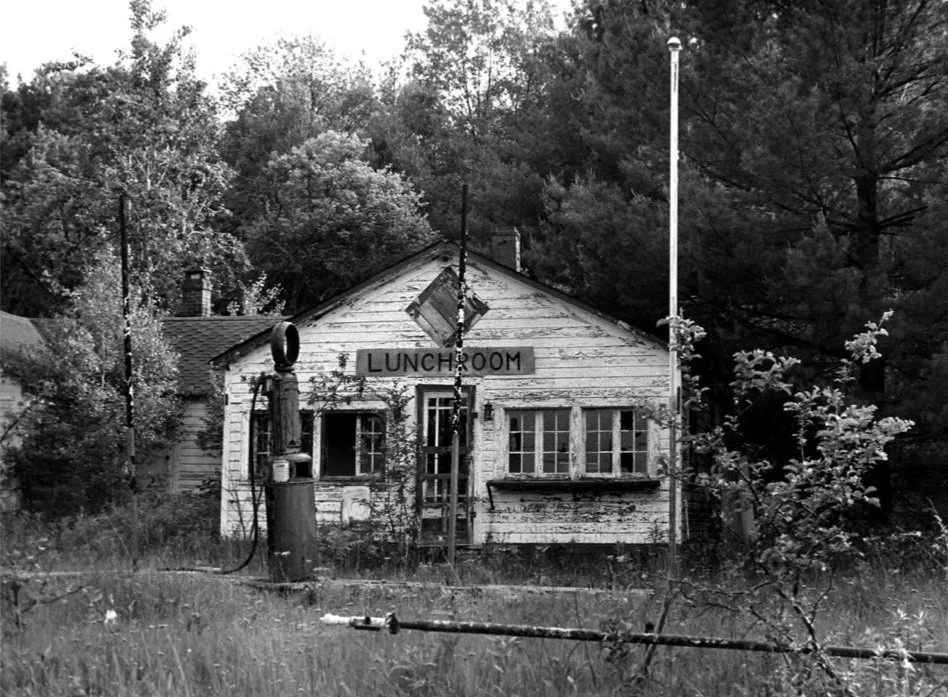
Liberty, NY, 1968
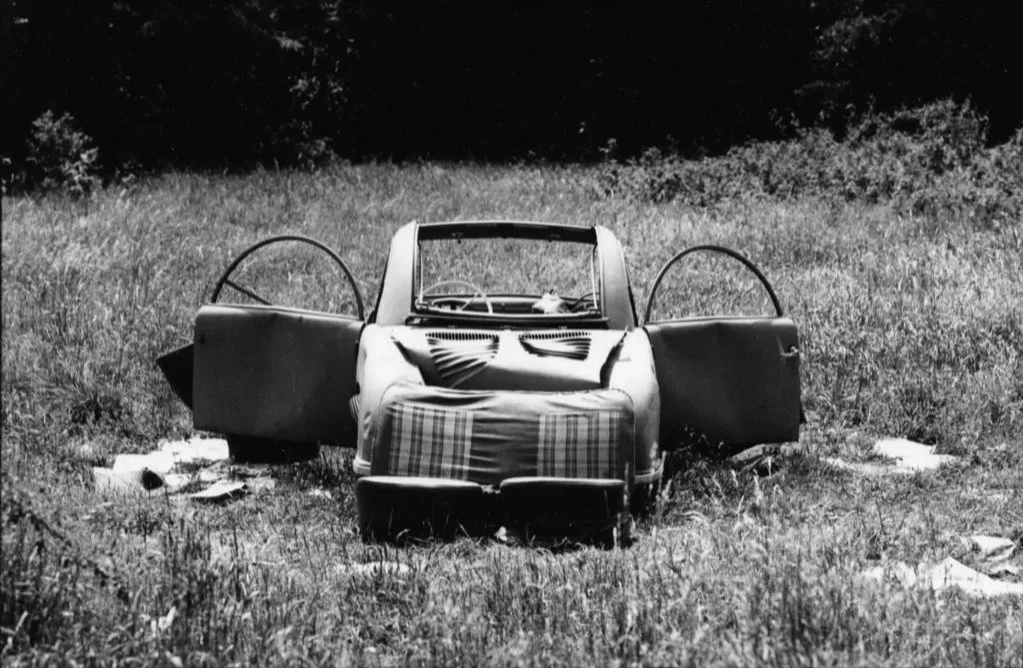
Munich, 1969
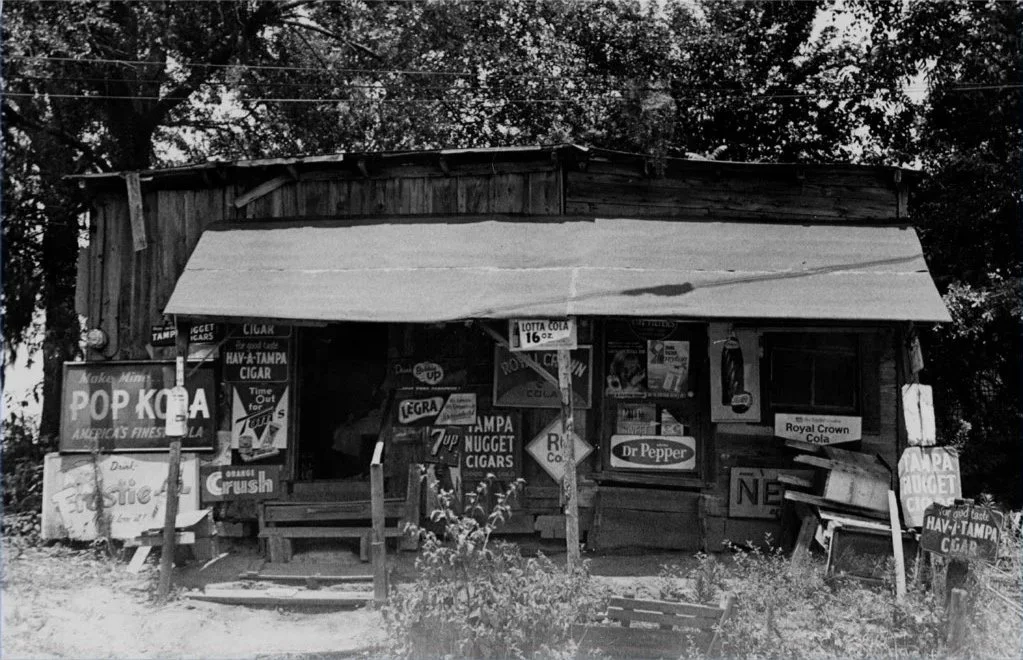
Route 29, Alabama, 1964
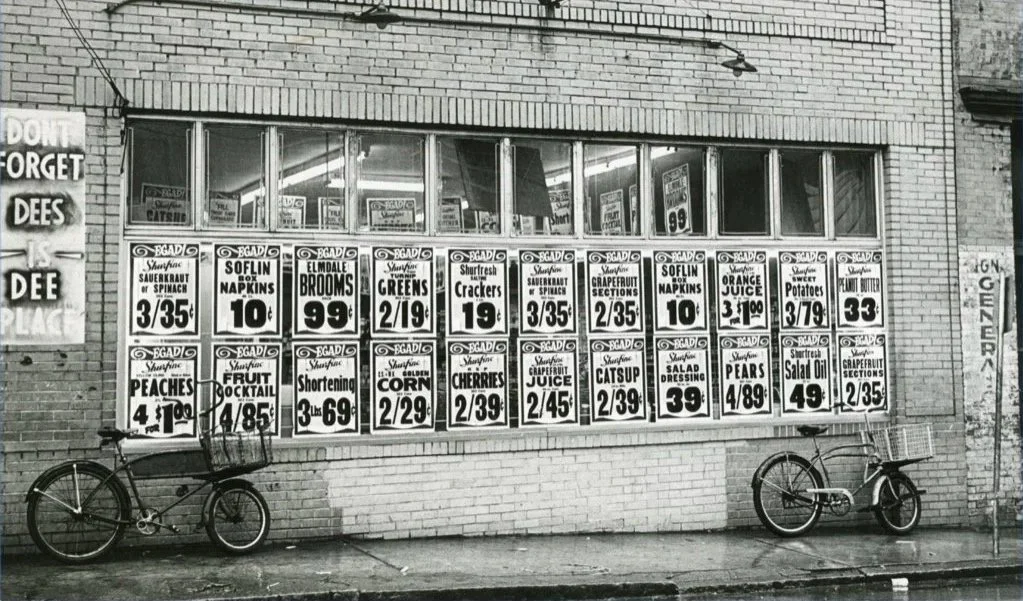
Atlanta, Auburn Avenue, 1963
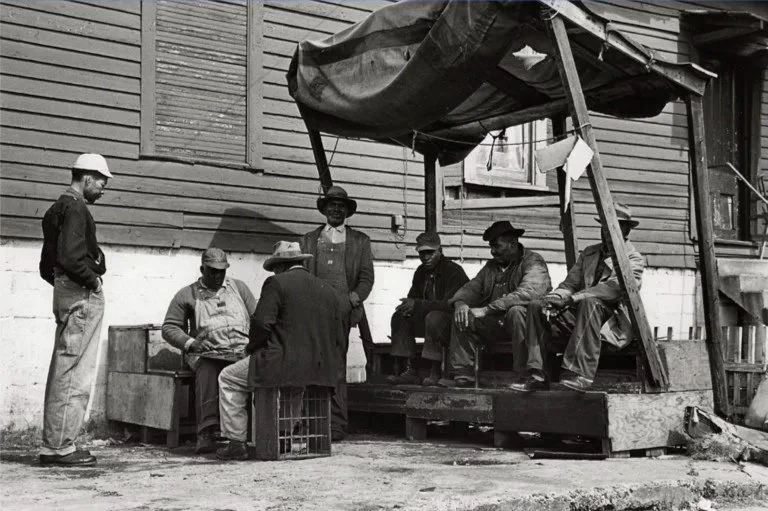
Atlanta, 1963
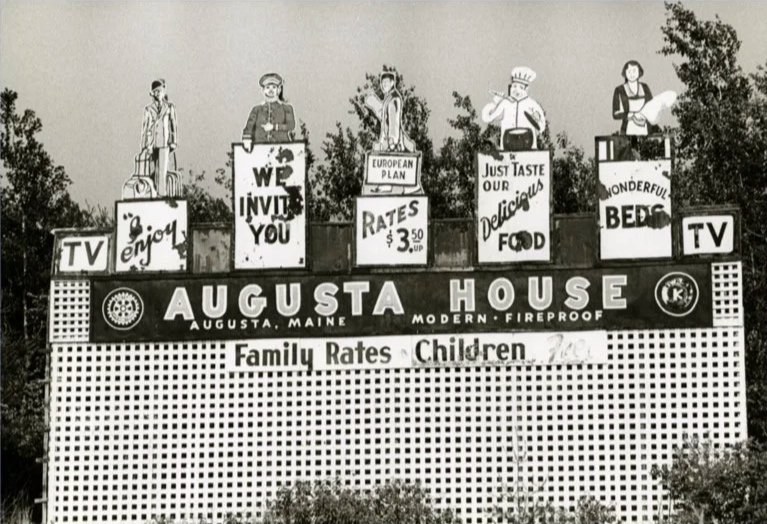
Augusta, Maine, 1963
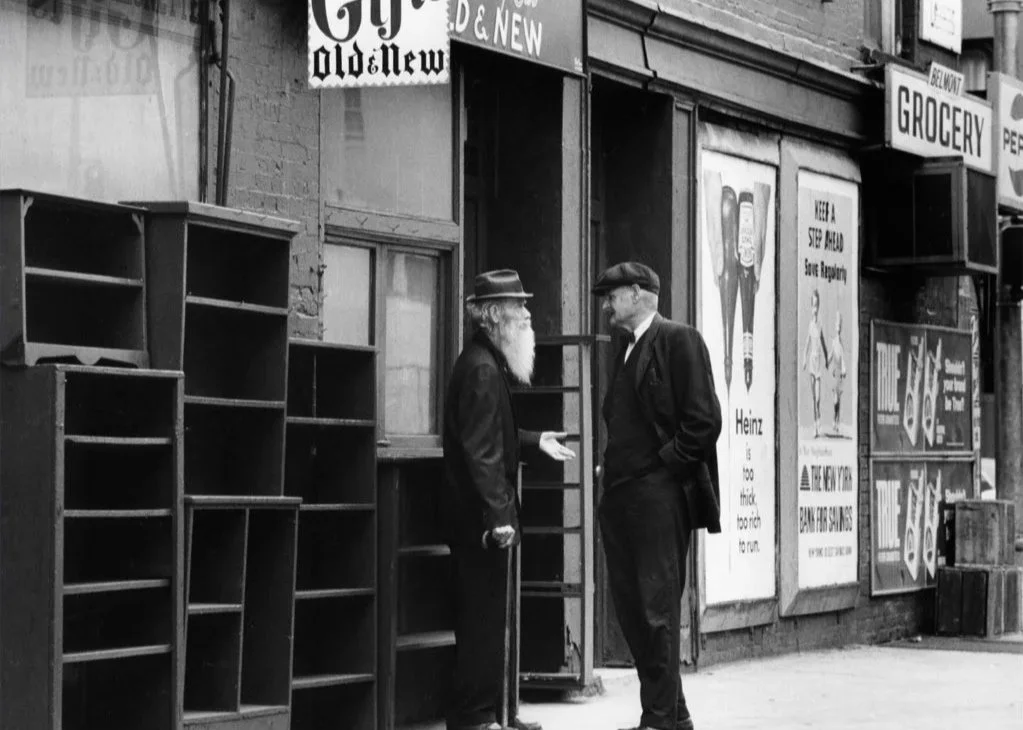
New York, 1965
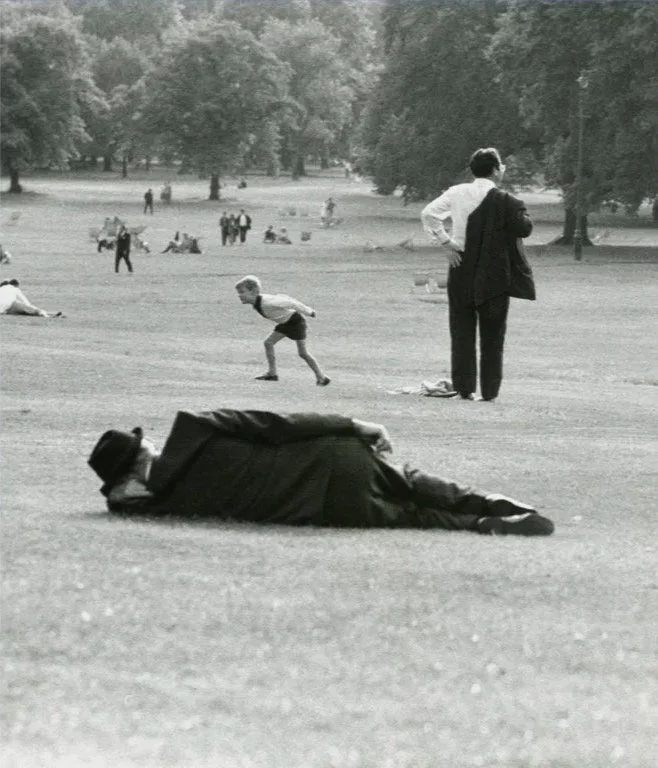
London, 1968
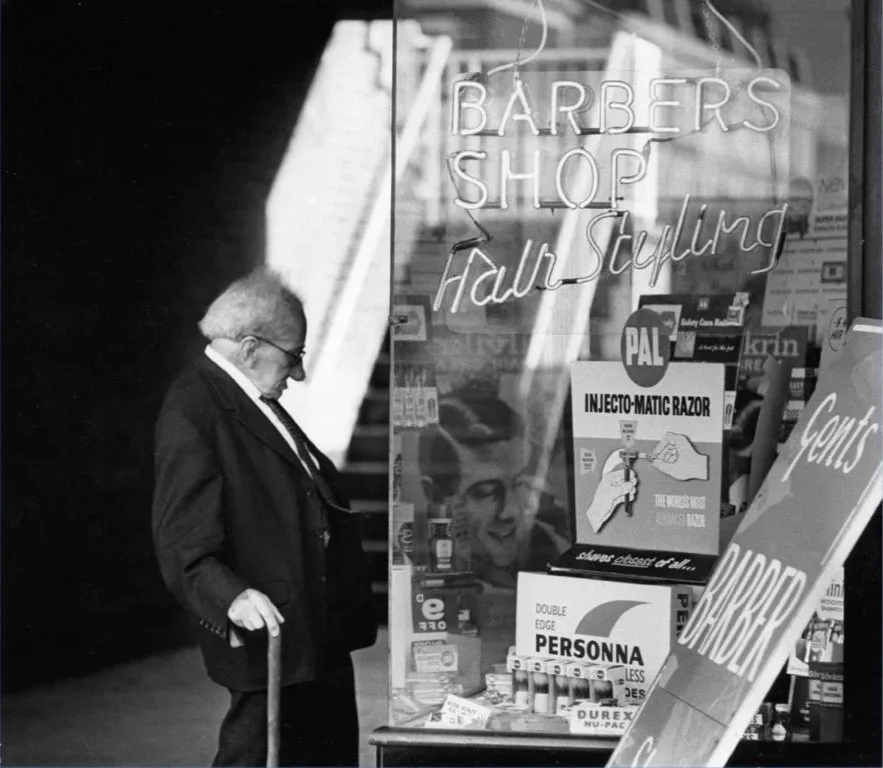
London, 1965
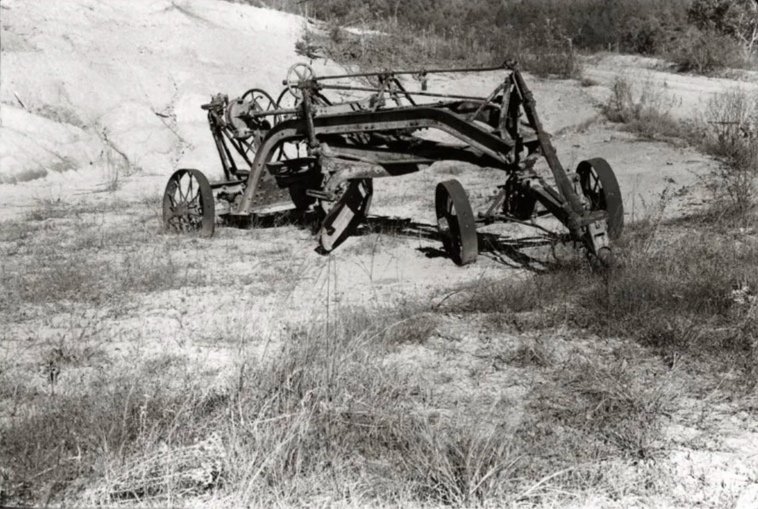
South Carolina, 1963
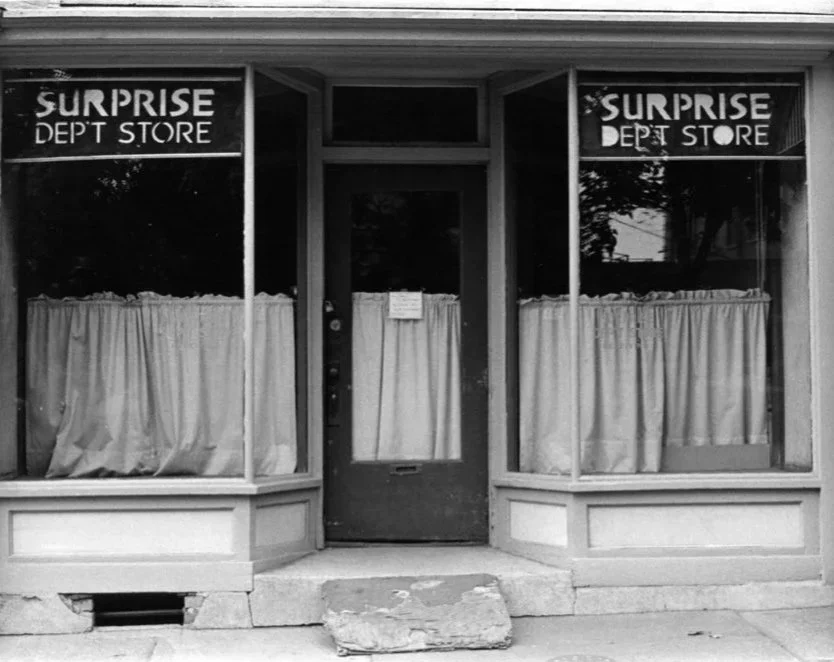
Plymouth, U.K., 1969
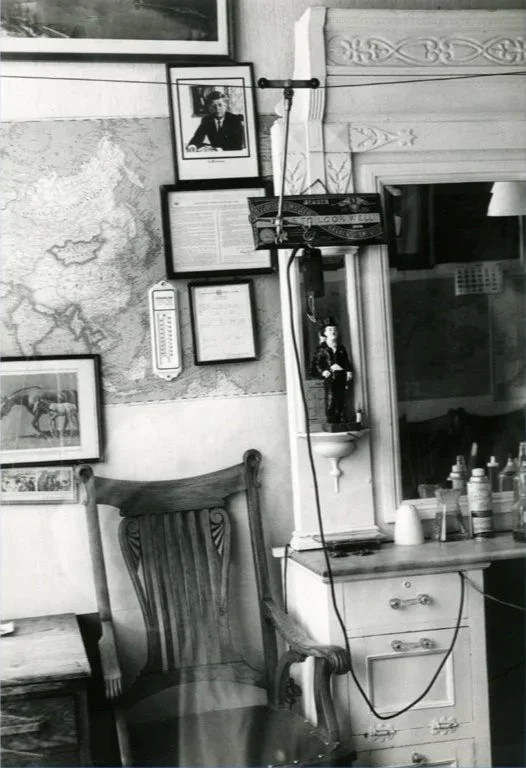
East 30's, New York City, 1965
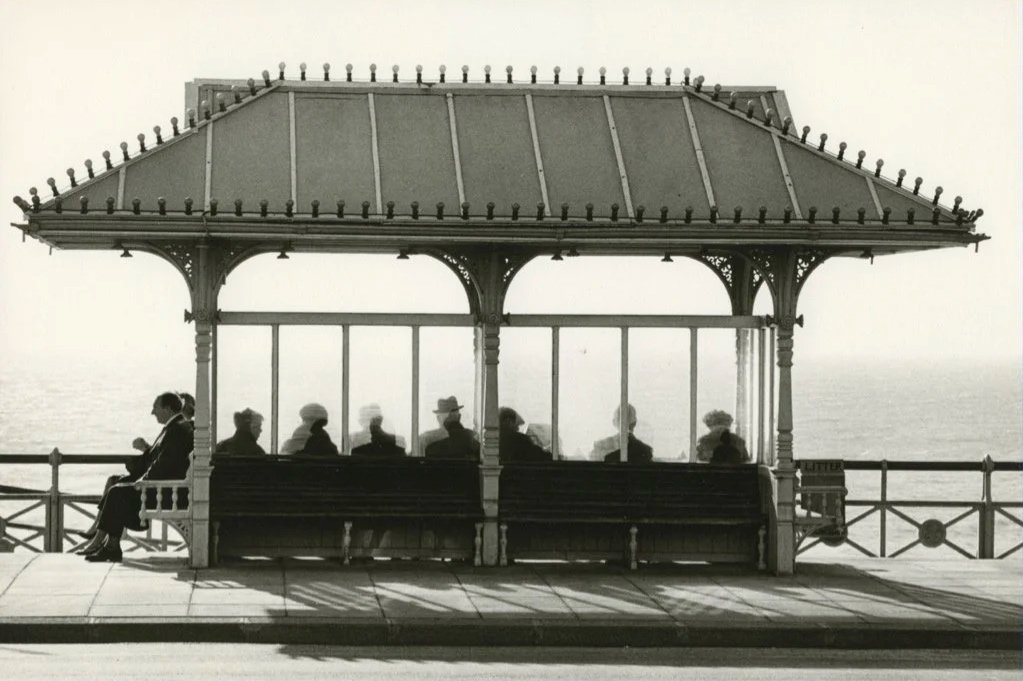
Brighton Beach, NY, 1965
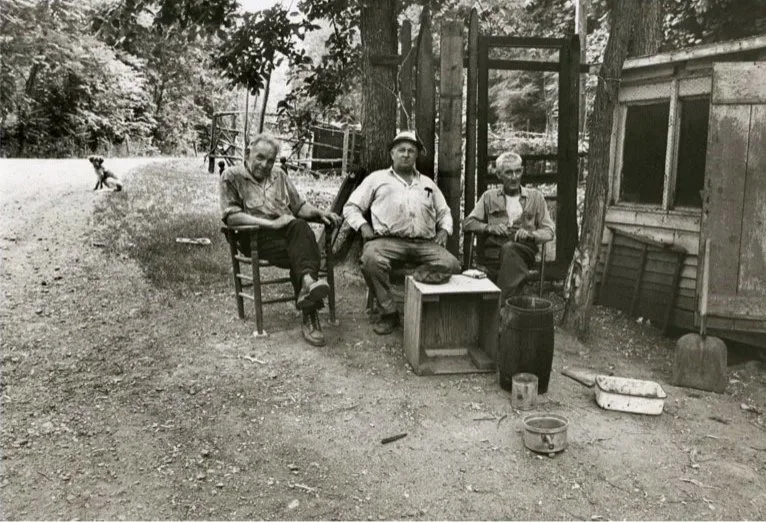
Upstate New York, 1969
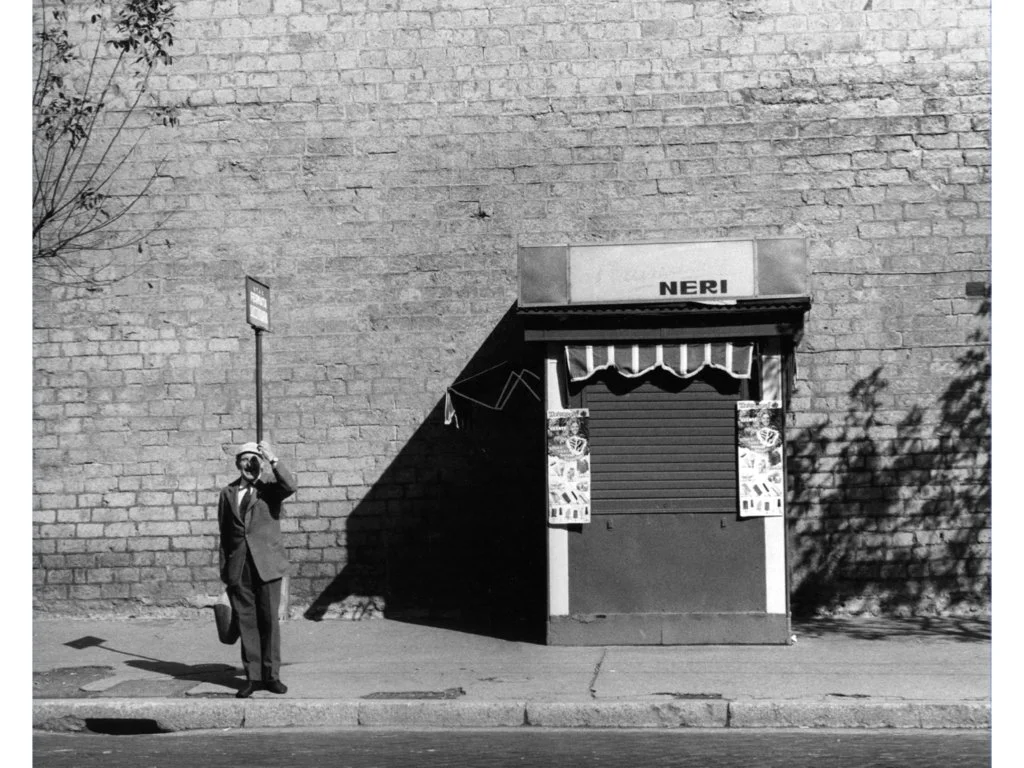
Milan, Italy, 1968
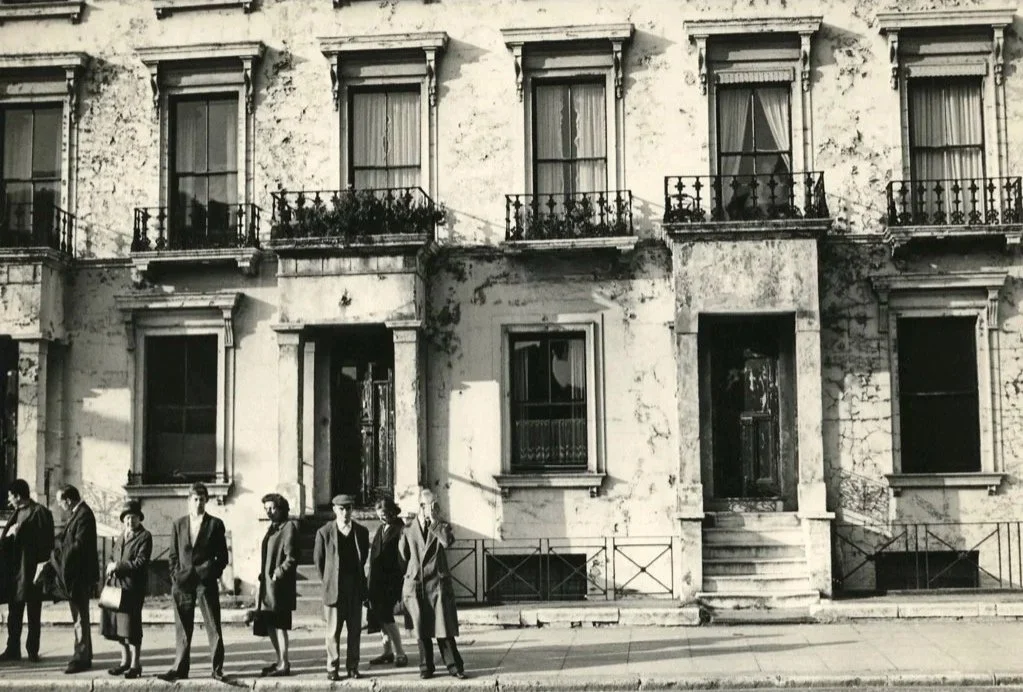
London, 1966
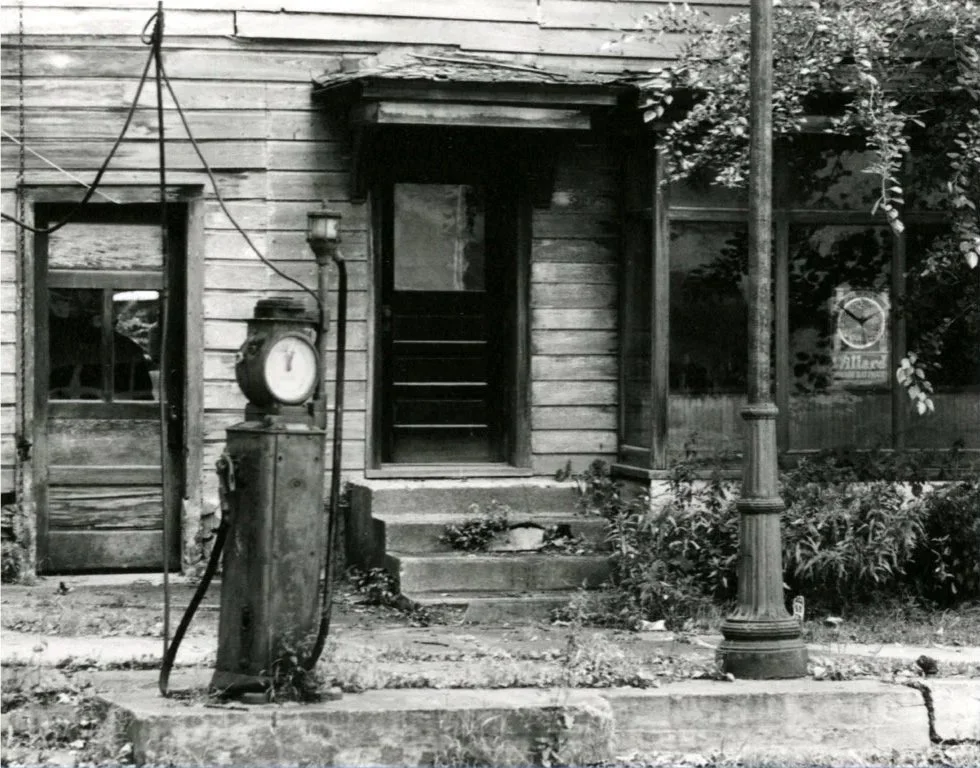
Upstate New York, 1969
Vincent Scully, Professor of Art History and Architecture at Yale University, distinguished Baeder’s work from other photorealists:
“John Baeder’s paintings seem to me to differ from those of his brilliant Magic-Realist contemporaries as they are gentle, lyrical, and deeply in love with their subjects… Baeder is not haunted like Hopper by a sense of something empty, hollow, and solitary in the American experience. Instead, he is youthful, hopeful, a painter-poet who makes us see the beauty of common things—not how funny they are, or how disgusting, or how powerfully expressive even, or how frightening, or just how big—but how lovely, how seen with love… Baeder is entirely at home in his world, and he irradiates it.”
Baeder’s work was recently featured in the exhibit “Ordinary People Photorealism and Work of Art since 1968” at MOCA, Los Angeles, and is held in numerous international collections including the Whitney Museum; the Smithsonian; the Denver Art Museum; the Morris Museum of Art; Yale Art Gallery, and many others.
oil paintings

John Baeder, "Cuchi’s Sweetie Dogs", 2011. Oil on canvas, 30 x 40 in. (Framed)

John Baeder, "Chadwick Square Diner", 2008. Oil on canvas, 30 x 48 in. (Framed)

John Baeder, “Closed", 2012. Oil on canvas, 24 x 36 in. (Framed)

John Baeder, "King Chef”, 1994. Oil on canvas, 30 x 46 in. (Framed)

John Baeder, "Market Tower", 2007. Oil on canvas, 30 x 48 in. (Framed)

John Baeder, “Embassy”, 2011. Oil on canvas, 24 x 36 in. (Framed)
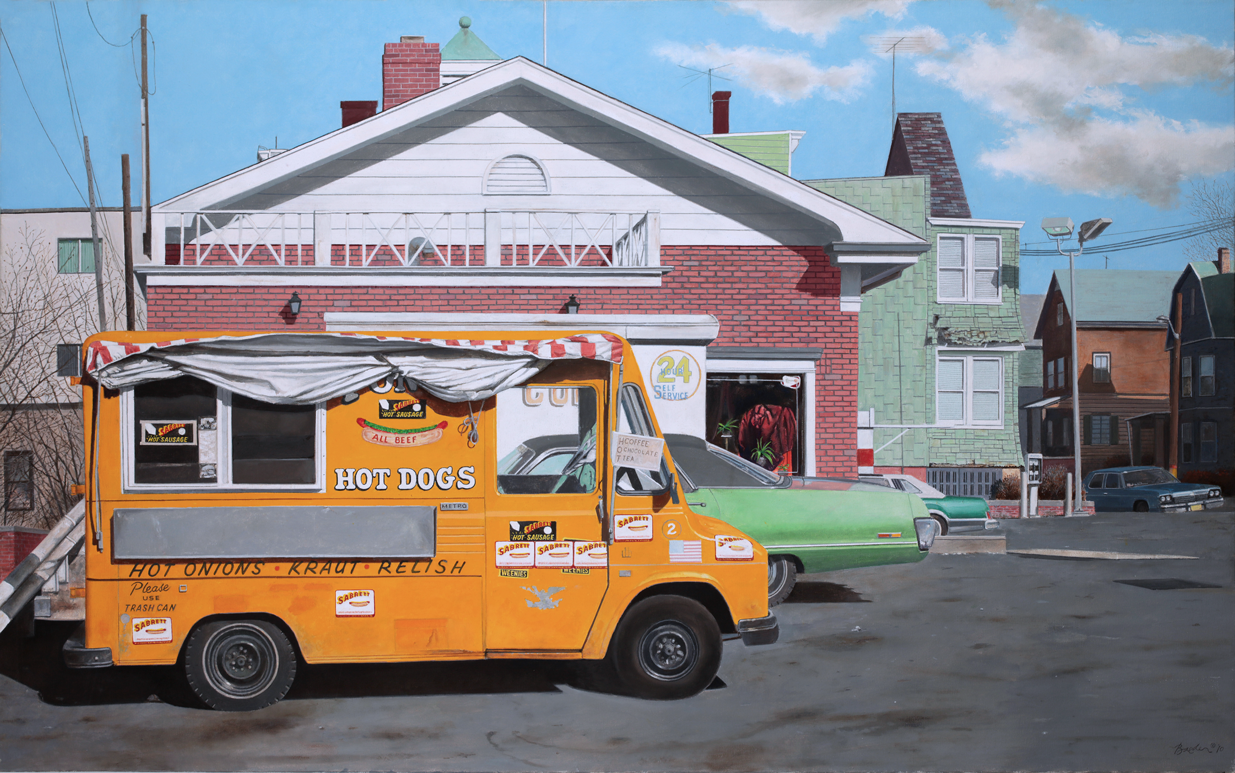
John Baeder, “Sabrett’s Hot Dogs", 2007. Oil on canvas, 30 x 48 in. (framed)
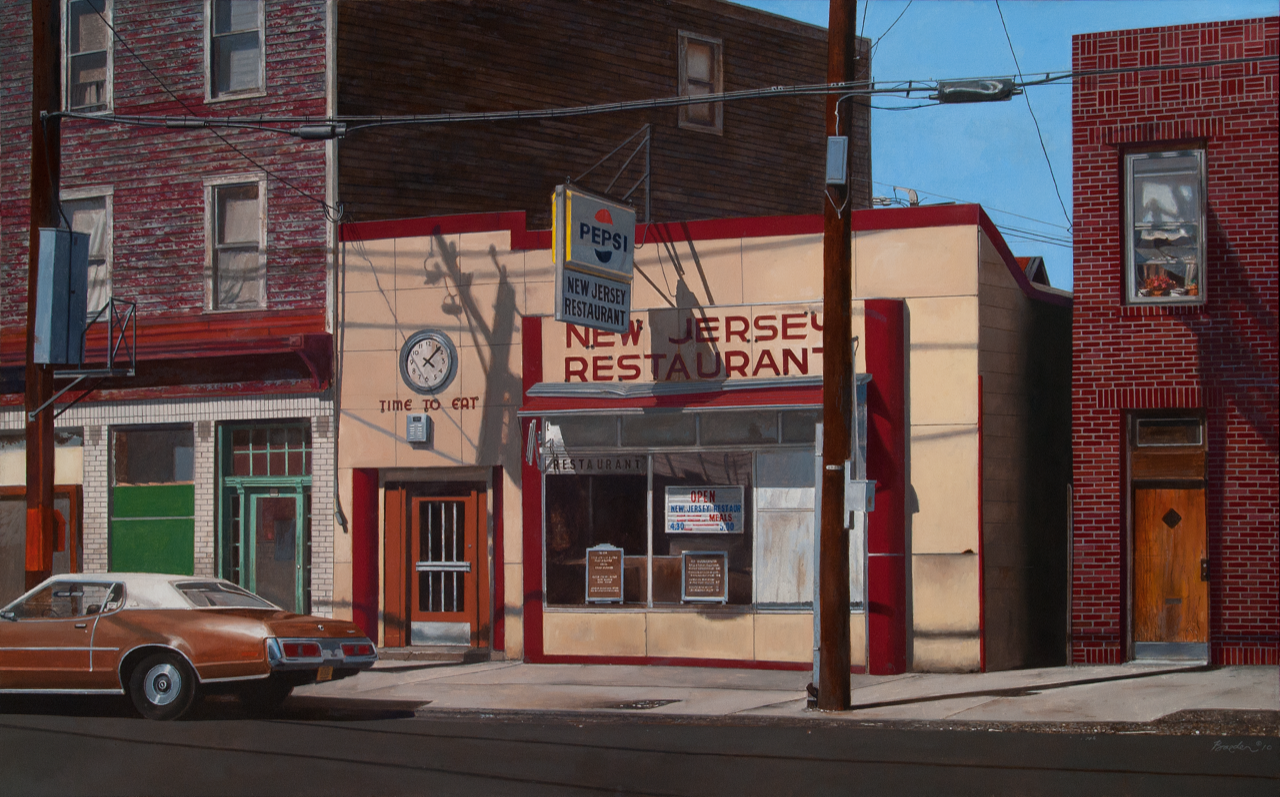
John Baeder, "New Jersey Restaurant", 2011. Oil on canvas, 30 x 48 in, Newark, N.J. (Framed)
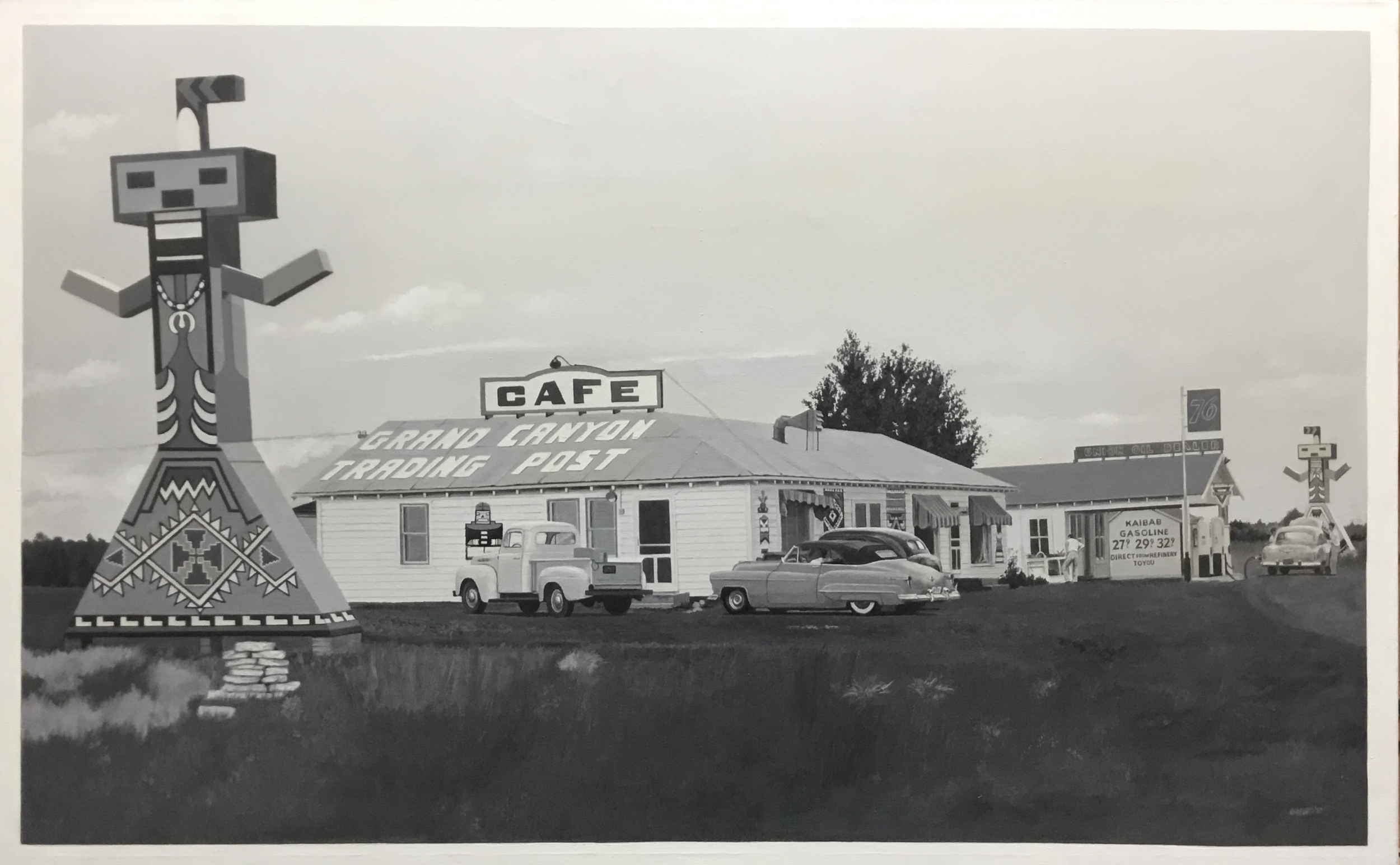
John Baeder, "Grand Canyon Trading Post”, 1972. Oil on canvas, 30 x 48 in. (Unframed)
Watercolors

John Baeder, "Red Stripes”, 2002. Watercolor on paper, 14 x 22 in. (Framed)

John Baeder, "Diners Club”, 2002. Watercolor on paper, 17 x 22 in. (Framed)

John Baeder, "Pink Ice Cream”, 2012. Watercolor on paper, 17 x 22 in. — East Los Angeles (Framed)

John Baeder, “Sanchez”, 2012. Watercolor on paper, 15 x 19 in.

John Baeder, "Palace Diner”, 2009. Watercolor on paper, 17 x 25 in. Meriden, CT. (Framed)

John Baeder, "Muncy’s Diner”, 1975. Watercolor on paper, 8 x 11.75 in. (Framed)

John Baeder, “Curley’s”, 1977. Watercolor on paper, 11.5 x 17 in. (Framed)

John Baeder, “Whitey’s", 1977. Watercolor on paper, 12 x 17 in. (Framed)
There Is No Other Cottage Like The Octo
& otto & Mickey’s

John Baeder, There Is No Other Cottage Like The Octo, 1972. Acrylic on canvas, 42 x 66 in.

John Baeder, “Otto & Mickey's”, 1971. Prismacolor drawing, 6 7/8” x 8 1/8 in.
the Matchbook Covers Series
John Baeder’s art career exploded after an exhibition of his works based on postcards at Ivan Karp’s OK Harris Gallery in New York in the early ‘70s. Like Andy Warhol, also a protégé of Karp, Baeder emerged from the commercial world, his previous life as a superstar art director in the era of Mad Men. His evolving paintings of diners and roadside culture are complex and iconic examples of the Photorealist School. In 2017-18, John Baeder’s eyesight was failing due to severe macular degeneration, and Baeder returned to a concept which he had put on the shelf many years before, a series of paintings based on American matchbook covers from the 1920-40s. Baeder felt that the bold, direct, scaled down aspects of these works would accommodate the capabilities of his rapidly diminishing eyesight. These unique and fascinating works are the last narrative paintings from the Artist.

John Baeder, “Empire Diner", Matchbook Series, acrylic on canvas, 2018, 14 x 36”.

John Baeder, “Genesee Grill", Matchbook Series, acrylic on canvas, 2018, 14 x 36”.

John Baeder, “Yankee Flyer", Matchbook Series, acrylic on canvas, 2018, 14 x 36”.

John Baeder, “Miss America", Matchbook Series, acrylic on canvas, 2018, 14 x 36”.

John Baeder, “Rippowan Grill”, Matchbook Series, acrylic on canvas, 2018, 14 x 36”.

John Baeder, “Roy's Grill”, Matchbook Series, acrylic on canvas, 2018, 14 x 36”.

John Baeder, "Twin Grill”, Matchbook Series, acrylic on canvas, 2018, 14 x 36”.

John Baeder, “Yankee Flyer", Matchbook Series, acrylic on canvas, 2018, 14 x 36”.

John Baeder, “Yankee Flyer", Matchbook Series, acrylic on canvas, 2018, 14 x 36”.
The Still Life: An Inner Road Trip
Baeder's quest to find his personal values reflected in the visual culture of roadside America coincided with his discovery of the essence of America's identity—as reflected in the lives of those connected with the institutions of roadside America. Since 2005, Baeder has been engaged in that sort of interpretation and dialogue, taking the measure of where he has been and gauging what he, through his creative work, might become. Baeder understood from the outset of his new photo series in 2011 that manipulating the concepts of reality and illusion were key to his new endeavor. Were these new compositions more about illusion—statements about the pure delight of color and form, with their accent on color harmonies and sensuous surfaces? Baeder anticipated that viewers would wonder "Are the flowers real? ls the automobile ‘photoshopped’ into the image (as most would expect these days), and why is it there to begin with? Or were these photographs intended as some form of realism?”. Baeder's new photo work was very different from the photographs he shot earlier in his career. Instead of being part of the tradition of landscape or genre scenes, these were classic still lifes. Like the earlier kitchen still lifes, they seemed to be views into some sort of alternate reality. But, by capitalizing on photography's ability to seduce the eye, they have an even greater sense of the surreal about them. (From Jay Williams, “John Baeder’s Road Well Taken, The Vendome Press, New York, 2015.)

John Baeder, “1937 Alfa Romeo 2900” (“Contempo”), archival pigment photograph, 11 x 14 in., 2012.

John Baeder, “Camera Studies”, archival pigment photograph, 11 x 14 in., 2012.

John Baeder, "1947 Delahaye 175”, archival pigment photograph, 11 x 14 in., 2013

John Baeder, “Homage to Aunt Emmy and Uncle Zolty”, archival pigment photograph, 11 x 14 in., 2012.

John Baeder, “1933 Pierce-Arrow Silver Arrow”, archival pigment photograph, 11 x 14 in., ca. 2011-2013.

John Baeder, "1939 Delahaye 165 Figoni-Falaschi”, archival pigment photograph, 11 x 14 in., 2013

John Baeder, "John Meyer Spalted Maple Bowl and 1951 Ford”, archival pigment photograph, 11 x 14 in., 2013

John Baeder, “Red Book”, archival pigment photograph, 11 x 14 in., 2011.

John Baeder, "Mum's Vase With My 1941 Cadillac Fleetwood", archival pigment photograph, 11 x 14 in., 2012.